


Subscribe and receive email notifications of new blog posts.
 RSS Feed
- 2026 | 30 Posts
- 2025 | 52 Posts
- 2024 | 47 Posts
- 2023 | 45 Posts
- 2022 | 50 Posts
- 2021 | 54 Posts
- 2020 | 49 Posts
- 2019 | 39 Posts
- 2018 | 30 Posts
22
Homeowners: Outdoor Projects That Add Everyday Enjoyment
From Detroit Lakes to Edina, Minnesota, homeowners are rethinking what their outdoor spaces can actually do and investing accordingly. In the Twin Cities, where the growing season runs roughly 150 days and mosquitoes arrive right on schedule, the yard you build matters more than most places.
Outdoor Upgrades That Deliver Real Return
Build a Patio You'll Actually Use
Twin Cities homeowners deal with serious freeze-thaw pressure every year, so material choice matters. Stamped concrete can crack over time; natural bluestone or porcelain pavers tend to handle the cycles better. A well-sized patio or deck gives you a reason to step outside after dinner, host a last-minute gathering, or enjoy the long daylight hours that make a Minnesota June so memorable.
A few details that take a patio from functional to great:
- A pergola or shade sail to cut afternoon sun on south-facing yards
- String lighting or recessed deck lights that extend usable evening hours into September
- A screen enclosure or mosquito curtain panels, which help make summer evenings more comfortable in mosquito-heavy areas
Add a Fire Feature
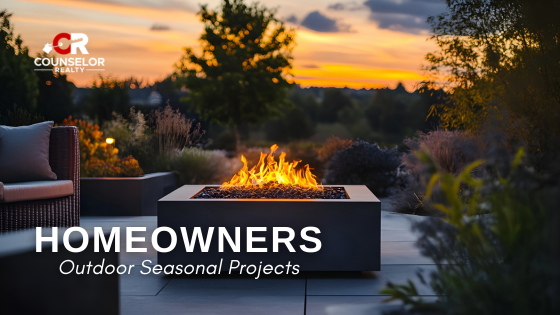
Fire pits have earned their permanent place in Minnesota backyards. A built-in gas or wood-burning fire pit stretches your outdoor season from the first cool nights in late August well into October. A gas insert is often the more practical choice, with less smoke and an easier shut-off.
If a permanent structure isn't in this year's budget, a quality portable fire bowl set on a paver pad does much the same job for far less.
Try Raised Garden Beds
The Twin Cities area sits in USDA Hardiness Zone 4b to 5a, which means gardeners have to make the most of a relatively short growing season. By late June, raised beds can still be a smart addition, especially for herbs, greens, bush beans, summer transplants, and late-season crops. They're easier to manage than in-ground beds, drain well after heavy rain, and help keep garden spaces tidy and intentional.
Cedar holds up well in Minnesota's climate, while galvanized steel is increasingly popular because it handles winter freeze-thaw cycles without warping. Even a modest raised bed setup can make a backyard feel more useful and inviting.
What works well for summer and late-season planting:
- Herbs like basil, parsley, cilantro, and dill for everyday cooking
- Bush beans, cucumbers, and summer squash from seed or starter plants
- Leafy greens like kale, Swiss chard, and arugula for late-summer and fall harvests
- Native flowers like black-eyed Susans and purple coneflowers to add color and support local pollinators
Don't Overlook Outdoor Lighting
It's one of the most underrated improvements a homeowner can make. Pathway lights and strategic tree uplighting add atmosphere after dark while improving security. Given how much outdoor time gets compressed into a few months here, lighting that makes evenings usable is genuinely valuable, not just decorative.
Consider a Rain Garden or Water Feature
Rain gardens are increasingly common in the Twin Cities, encouraged by watershed districts across Hennepin and Ramsey counties to manage stormwater runoff. They're functional and, when planted with native sedges and rushes, attractive. If a rain garden isn't the right fit, even a compact recirculating water feature near a seating area adds ambient sound that makes the space feel more intentional, and helps mask the street noise common in denser city neighborhoods.
Before starting any outdoor project, keep these practical points in mind:
- Check permit requirements with your city, including rules for structures and hardscaping
- Address grading carefully; spring snowmelt creates real drainage problems in low-lying yards
- Choose perennial native plants over annuals wherever possible for lower maintenance and better wildlife habitat
Make the Most of Your Outdoor Space
Thoughtful outdoor upgrades add real value, whether you're preparing to sell or simply investing in the home you're living in right now. When you're ready to make a move in Minnesota, call today, and our team will help you find a property with the outdoor potential you're looking for.



By searching Listing Data you agree to this End User License Agreement
Copyright 2026 Regional Multiple Listing Service of Minnesota, Inc. All rights reserved.
Terms of Use
Agency License Information: Counselor Realty, Inc. is licensed in Minnesota and Wisconsin; Counselor Realty, Inc. of Alexandria is licensed in Minnesota; Counselor Realty Detroit Lakes, LLC is licensed in Minnesota; Counselor Realty of Rochester is licensed in Minnesota; Counselor Realty of Victoria, LLC is licensed in Minnesota; Counselor Realty of Brainerd is licensed in Minnesota.
Disclaimer: All information deemed reliable but not guaranteed. All properties are subject to prior sale, change or withdrawal. Neither listing broker(s) or information provider(s) shall be responsible for any typographical errors, misinformation, misprints and shall be held totally harmless. Listing(s) information is provided for consumers personal, non-commercial use and may not be used for any purpose other than to identify prospective properties consumers may be interested in purchasing. Information on this site was last updated 06/22/2026. The listing information on this page last changed on 06/22/2026. The data relating to real estate for sale on this website comes in part from the Internet Data Exchange program of Delta Media Group MLS (last updated Mon 06/22/2026 12:00:07 AM EST) or RMLS-MN MLS (last updated Sun 06/21/2026 11:53:23 PM EST). Real estate listings held by brokerage firms other than Counselor Realty may be marked with the Internet Data Exchange logo and detailed information about those properties will include the name of the listing broker(s) when required by the MLS. All rights reserved.
Privacy Policy / DMCA Notice / ADA Accessibility


